
“Why do Americans think their lives are more important than Kenyans' lives?” This sentiment encapsulates the prevailing mood in Kenya, where the U.S. is preparing to open an isolation facility for Americans exposed to the Ebola virus, as reported by CNN correspondent Larry Madowo.
While cases of the virus have yet to appear in Kenya, the U.S. is reluctant to house its citizens experiencing Ebola symptoms at home, despite the epidemic causing over 220 deaths in the Democratic Republic of Congo according to the World Health Organization.
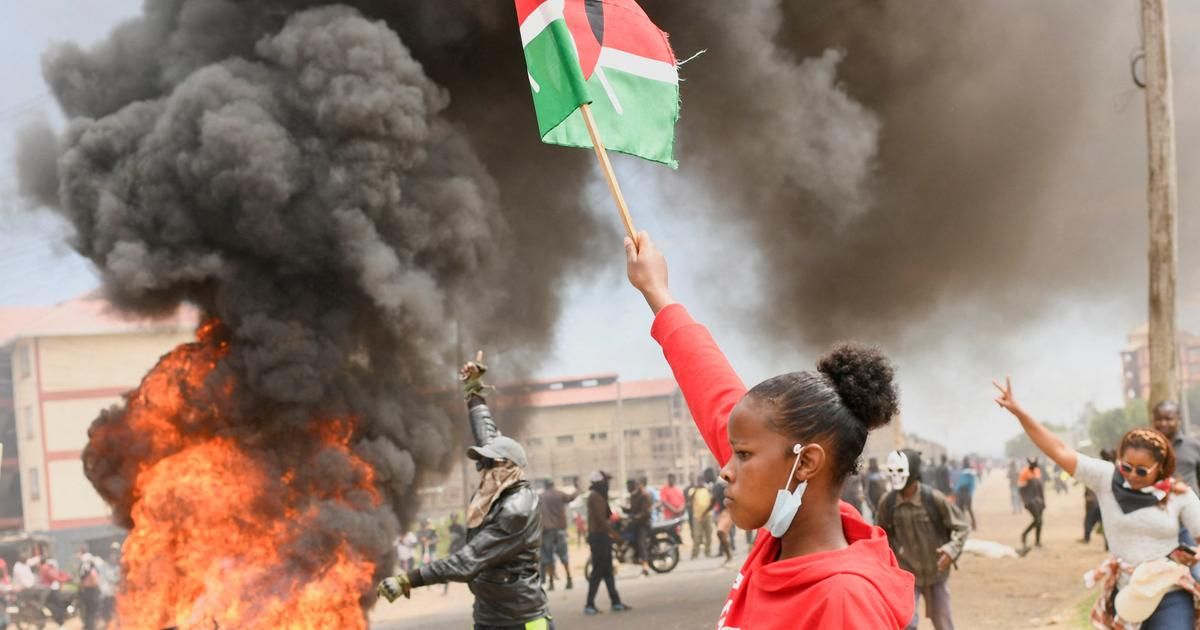
The facility is planned at Laikipia Air Base to isolate Americans suspected or confirmed to have the virus. However, the announcement of this project has ignited widespread protests, particularly in Nanyuki, where tensions erupted between demonstrators and law enforcement on June 1, as reported by the Daily Nation.
Residents in Nanyuki have voiced their concerns over a lack of public consultation while fearing potential exposure to the virus. Local hoteliers have already reported a wave of cancellations related to tourism, further exacerbating community discontent, according to The Standard.
“Like a colony of the United States”
An association for civil rights has successfully petitioned the Kenyan courts for the suspension of the initiative. On May 29, the court ordered that no exposed individuals should be welcomed in Kenya under the agreement between the two nations, but the Kenyan authorities have disregarded this ruling.
As noted by CNN, American personnel intended to manage the isolation center reportedly arrived in Kenya on May 30, showcasing a tendency of both American and Kenyan administrations to overlook inconvenient legal decisions.
The Daily Nation condemned the center as a “grave threat” and criticized the local government's attitude towards the judicial system. Commemorating the 63rd anniversary of its autonomy, the publication stresses the importance of national agency:
“We should not act, nor give the impression of acting, like a colony of the United States.”
In an official statement on June 1, Kenyan President William Ruto supported the initiative as part of ongoing health partnerships between the U.S. and Kenya that date back decades and include assistance during crises such as HIV/AIDS and Covid-19, as reported by The Standard.
In the face of mounting protests, the U.S. has pledged $13.5 million to aid Kenya's response to the epidemic, with health professionals emphasizing the fragility of the Kenyan healthcare system. “We are a responsible government. We know what we are doing. People should relax,” asserted President Ruto.


